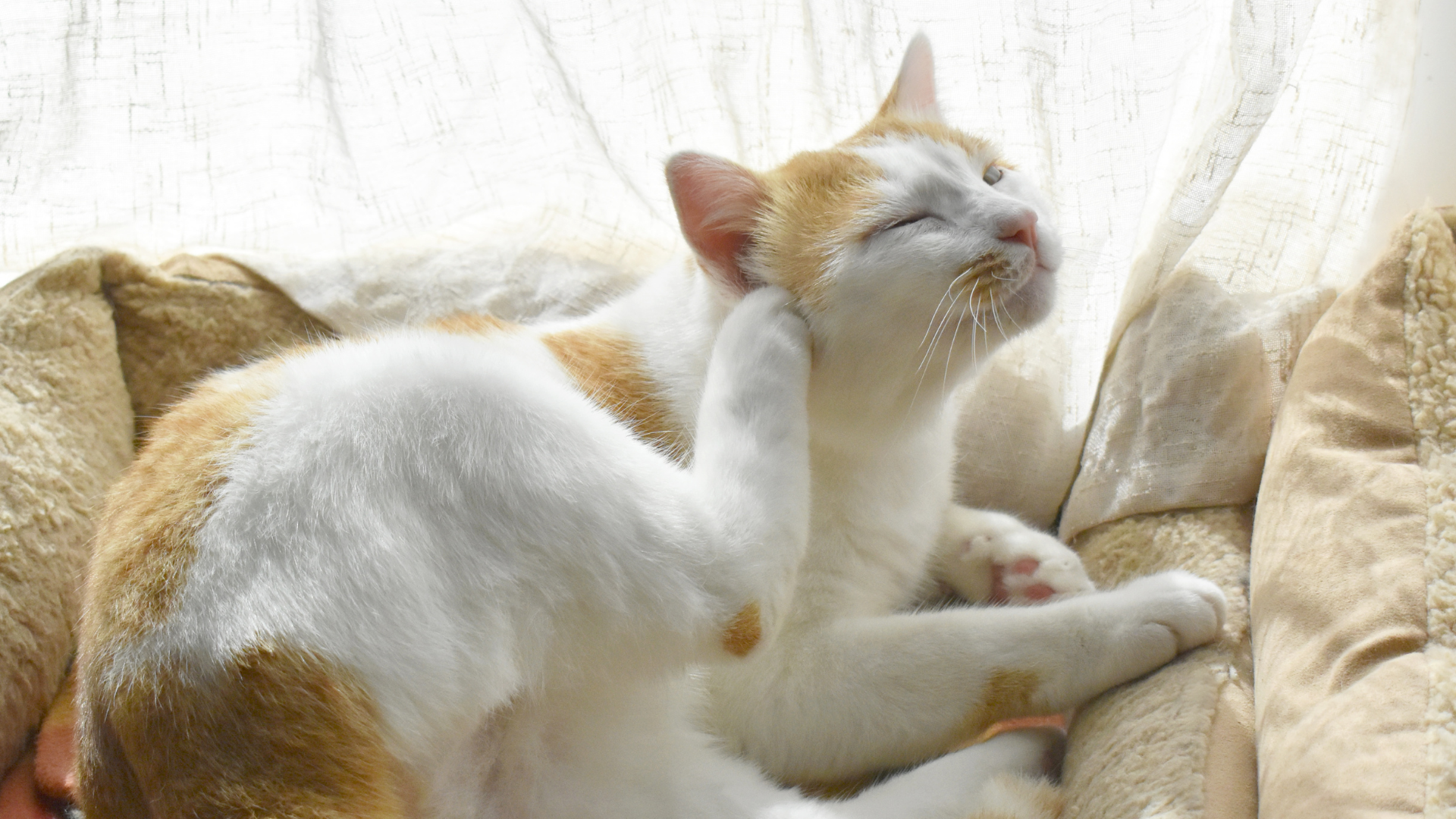
What Are Fleas, and Where Do They Come From?
Fleas are small, jumping insects visible to the naked eye. They don't typically leap from pet to pet, but instead spread through environments where other infested animals have been. Your pet can pick up fleas while out on a walk, visiting the park, or even from your own back garden.
They love to hide in warm, dark places like your pet's groin, armpits, neck and rump (the bit of your pet’s back just before their tail). You might see live fleas or "flea dirt" (poo) in your pet's coat. Flea dirt turns red when wet - it's essentially dried, digested blood.
If you part the fur, you may see the live fleas running away from the light, or you may just see the poo they have left behind, which looks like little dark dots amongst your pet’s fur. Get some of these dark bits on some wet kitchen towel or cotton wool, and rub it slightly – if it is flea poo, it will turn red!
Flea Life Cycle: Why One Flea Can Mean an Infestation
Understanding the flea life cycle is key to effective treatment. Like a sort of grim butterfly, fleas move through these stages:
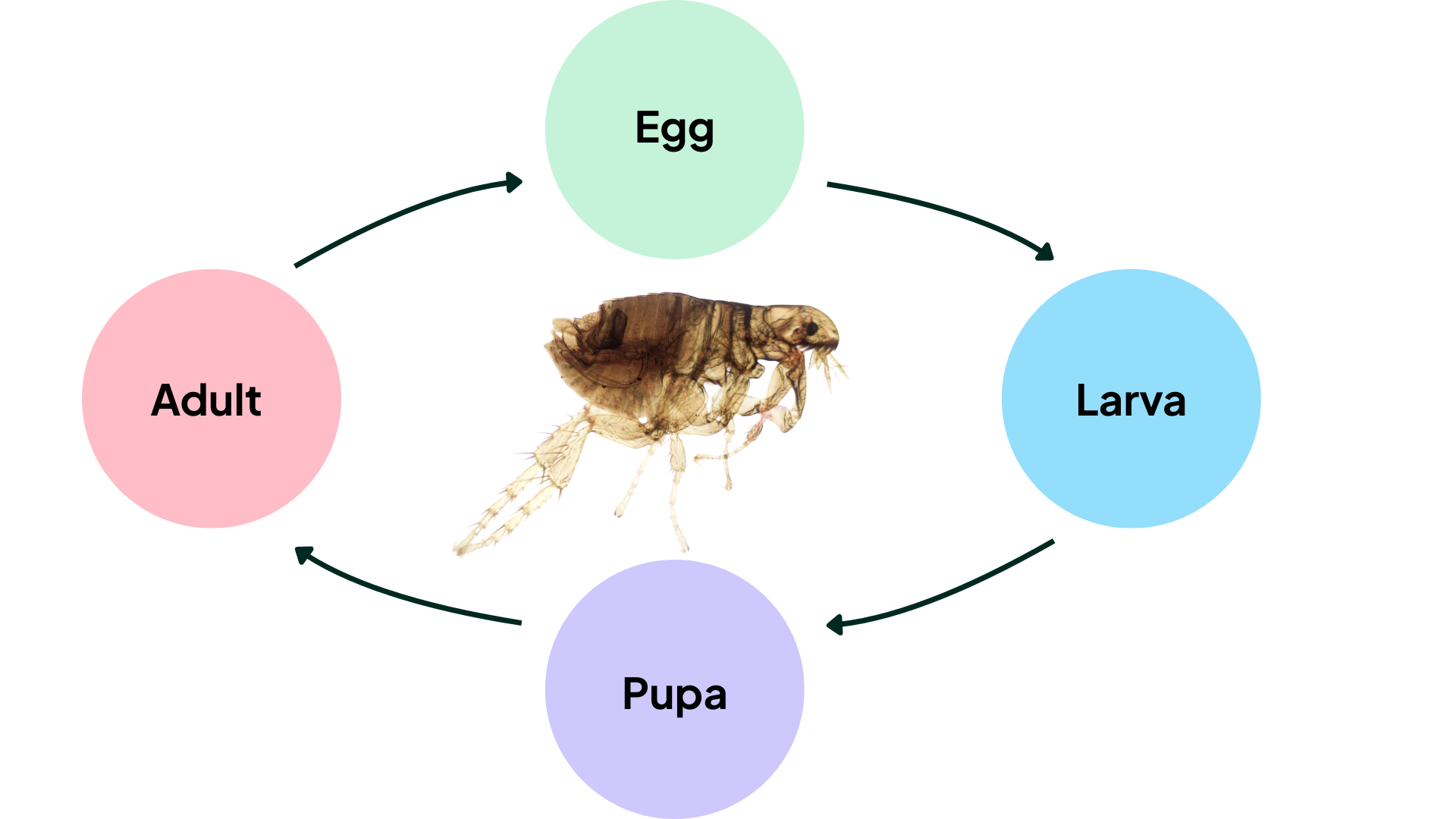
Only 5% of the fleas in your home are adults. The other 95% are eggs, larvae or pupae hidden in your carpets, bedding, and furniture. Pupae can survive for months waiting for the right moment to hatch - usually when they sense a warm body nearby.
Fleas on Dogs and Cats: What to Look Out For
You might not always notice your pet itching. Just like some people react more to mosquito bites than others, not all animals show clear signs. Look out for:
- Scratching or biting
- Hair loss or scabs
- Tiny dark dots (flea dirt)
- Flea bites, particularly around the belly, back, and groin
And interestingly, most dog fleas are actually cat fleas (otherwise known as Ctenocephalides felis)!
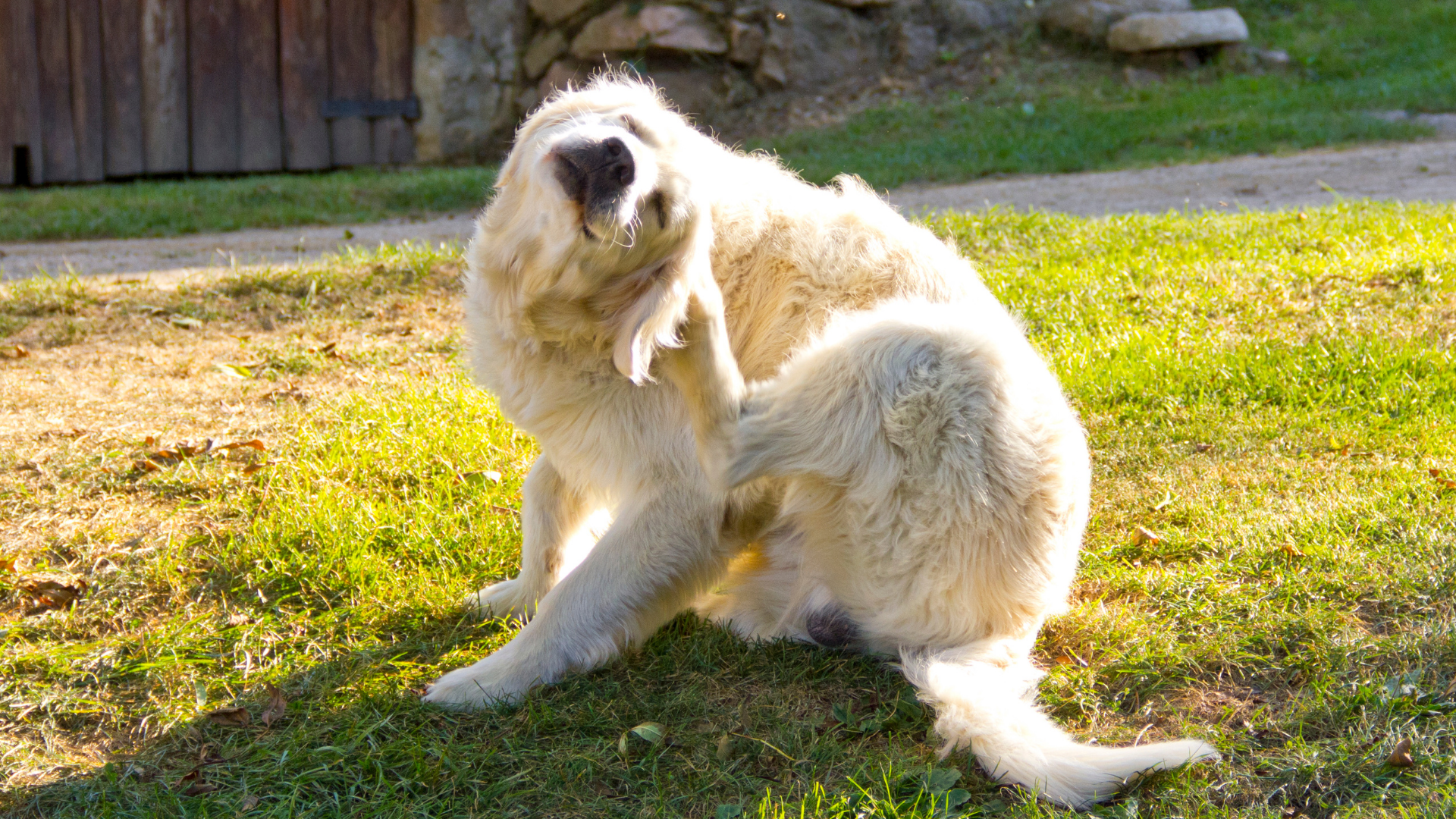
Flea Allergy Dermatitis: When Fleas Trigger Bigger Problems
Some pets are allergic to flea saliva. Even one bite can cause a full-body reaction known as flea allergic dermatitis. If your pet is constantly scratching or chewing or seems uncomfortable despite treatment, speak to your vet.
Best Flea Treatments for Dogs and Cats
Not all flea treatments are created equal; the suitability for your pet can depend on a number of factors.
"Vets can prescribe veterinary-strength products that are more powerful than many over-the-counter options. Consult your vet who will be able to determine the most suitable fit for your cat or dog."
Licensed treatments in the UK for fleas in cats and dogs include:
- Afoxolaner
- Afoxolaner & Milbemycin Combination Product
- Deltamethrin collars
- Dimpylate
- Dinotefuran & Pyriproxyfen combination product
- Dinotefuran, Permethrin and Pyriproxyfen combination product
- Fluralaner (or Fluralaner in combination with moxidectin)
- Emodepside, Praziquantel, Tigolaner
- Eprinomectin, Esafoxolaner, Praziquantel
- Fipronil
- Fipronil in combination with Permethrin
- Fipronil in combination with Pyriproxyfen
- Flumethrin & Imidacloprid Seresto Flea Collars
- Imidacloprid
- Imidacloprid & Moxidectin
- Imidacloprid with Permethrin
- Indoxacarb
- Indoxacarb with Permethrin
- Lotilaner
- Lotilaner with Milbemycin
- Moxidectin, Pyrantel, Sarolaner
- Nitenpyram
- Permethrin
- Sarolaner
- Sarolaner with Selamectin
- Selamectin
- S-methoprene & fipronil
- (S)-Methoprene, Eprinomectin, Fipronil, Praziquantel
To find out more about any of these products and treatments, check out our Bite-Sized Meds - little guides on each for pet owners like you.
If you're looking for a more affordable way to continue treatment, you don't always have to buy directly from your vet. You can ask them for a written prescription and purchase the medication online from a trusted, government-accredited pharmacy, often at a significantly lower cost. It's the same quality treatment, just more budget-friendly.
[Search for your pet’s preferred flea treatment here]
How to Get Rid of Fleas on Dogs and Cats
1. Treat all pets in the household with a vet-recommended product
2. Hoover daily, especially under sofas and in carpeted areas. Hoovering can trigger the eggs and pupae to hatch as the warmth and vibrations mimic a warm, moving body. Remember that fleas can jump vertically (up to 7 inches) and horizontally (up to 13 inches).
3. Wash bedding on a hot cycle (at a minimum of 60 degrees) and dry it in a dryer on a hot cycle.
4. Use a licensed furnishings flea spray in your home (never on your pet!). Be careful if you have fish, though, as these products are often toxic (and fatal) to aquarium life.
How to Get Rid of Fleas in the House
Flea infestations are tough to beat without treating the home:
- Vacuum daily for at least 7-14 days, especially if you have carpets, as it will encourage the eggs and pupae to hatch. The warmth and vibrations from the hoover trick them into hatching by making the fleas think a host (your pet!) is nearby.
- As mentioned, use flea spray on soft furnishings, carpets, and pet areas
- Focus on dark, warm spots - where fleas like to hide and places your pets like to nap or rest.
What Kills Fleas on Dogs Instantly?
Fast-acting oral flea tablets can start killing fleas within 30 minutes. Ask your vet about the best option for your pet. Never use flea treatments intended for one species (e.g. dogs) on another (e.g. cats).
Unfortunately, most dog and cat flea treatments are not immediate and you will need to tackle the flea issue from a number of different directions. Flea treatments administered on your pet’s coat usually take up to 48 hours to become effective, but you will also need to turn your attention to fleas in your home, or car, and the eggs etc living in the environment.

"There’s not one ‘quick fix’ with fleas as they are persistent little opportunists - hard to spot, quick to spread, and frustratingly good at hiding. Once they’re in, they make themselves at home in your carpets, your pet’s coat, and even your peace of mind."
Can Humans Get Fleas?
Fleas prefer pets, but they can bite humans. Common symptoms of flea bites on people include:
- Itchy, red bumps, usually around the ankles
- Flea poo in the bed or on the sofa
But can humans get fleas? Not in the same way pets do.
Fleas don’t live permanently on humans, but they can bite us while looking for a ‘host’ - aka your pet.
My Dog Had Fleas and Sleeps in My Bed—Now What?
- Wash your bedding in hot water
- Vacuum the mattress and bed frame
- Treat your pet immediately
- Use a pet-safe flea spray in your bedroom and soft furnishings
- Worm your pet; fleas can carry tapeworms, and if your pet accidentally swallows a flea whilst grooming, cleaning or nibbling, they can get infected with the worm.
Why Does My Dog Keep Getting Fleas Even After Treatment?
Fleas in the environment may still be hatching. Ensure all pets are treated regularly, and environmental control measures are in place. Consistent monthly treatments and regular hoovering and cleaning can break the flea life cycle.
Sadly, if untreated animals frequently visit your house or garden, the number of fleas in the environment will stay high, meaning even a treated pet may appear to get the odd flea (though treating regularly should prevent your pet from suffering a full-blown infestation).
Flea Prevention: What You Need to Know
- Regular vet-recommended flea treatments is your best defence if your pet is regularly coming into contact with high numbers of fleas.
- Prescription medication is often more effective than over-the-counter medication bought without a veterinary prescription.
- Even indoor pets can be at risk if fleas are brought in on shoes, clothes, or other pets.
- Use a flea and tick treatment for your dog or cat that fits your pet’s lifestyle - either oral, injectable or spot-on treatments.
- Specifically with spot-ons;
- Try not to wash your pet for the 48 hours after using the medication, as it may not work as well afterwards. Swimming should also be avoided during this time, as the medication can harm creatures in our waterways.
- Washing more than once a week may also affect how well the medication works, so frequent baths or hosing down should be avoided.
- Make sure you apply it to an area where the animal cannot lick it off.
- Your pet should not be handled after using the spot-on until the area has dried. If you have children, it's a good idea to apply in the early evening (once they are asleep) and avoid bed-sharing that night.
Do I Need to Treat My Pet Year-Round?
Regular treatment is recommended if your pet interacts with others or catches fleas on a regular basis, as this suggests high numbers in your local environment. Flea infestations are harder, more expensive, and less pleasant to fix than they are to prevent.
By staying on top of treatment, cleaning your home regularly, and using trusted products, you can keep fleas away from your pets, your home, and yourself.
Designed by vets. Made for pets.
Petscribers makes it easy to compare flea treatments online from government-accredited retailers. Get the right treatment for your pet while you save on costs.